


A tree with roots
I grew up in Bristol. I was born in the house I lived in until I left to go to University. After university—eight years including postgraduate stuff—I returned to work at Bristol university and remained there until, aged 51, newly ordained, we upped and left the city of my birth and began the gradual journey down the M5: Highbridge (J22), Bridgwater (J23) and now Athelney (J25). That’s far enough south along the UK motorway network, thank you.
It is ten years since we left Bristol. I go back there to see my my family, and when I do, it is as though I’ve never really left. My roots are deep in the city of my birth. Far more than mere echoes and memories of where I grew up. I have roots here, too, however. Newer roots but gradually seeking ways through the soil of the Somerset Levels, gradually forming a network of support and future memories.
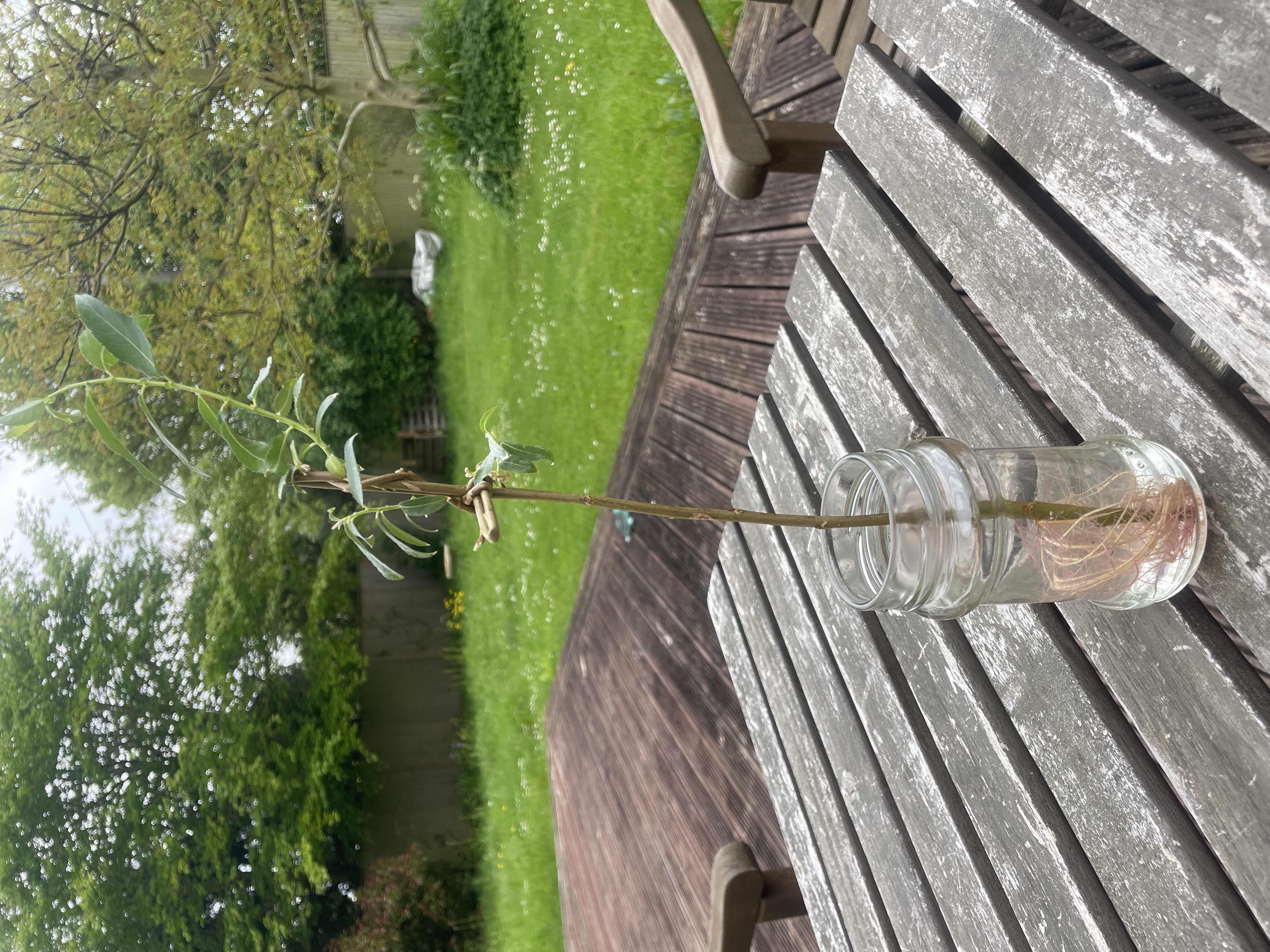 On Good Friday I was given a willow cross from Stoke St Gregory Baptist church. I put it in a jar of water and then ignored it (that is the extent of my gardening prowess: I can pour water into a jam jar). Now it has grown roots and leaves and it looks wonderful on the kitchen window sill. The biological urgency to grow and to send out roots is magnificent and reminds me of the need for roots we all have. I hold firm to the idea that, whether we are “anywhere” people or “somewhere” people, we send out roots that help us flourish. They steady us in the soil of community and they help us draw in nourishment from around us. We can then put out leaves and become strengthened through sunlight. Without roots we cannot grow. We soon wither and cannot be sustained no matter how brightly the sun shines.
The urgency now for my little willow cross is to find some soil in which to plant it. Unless there is good soil, the roots are pointless. The soil in Athelney is rich and good. There are people who have lived here in the villages of this benefice all their long lives and they have toiled and tended the soil to make it so good and nutritious. Others have rooted later in their lives. They too have added to the richness. Even those who show up much later, like this vicar, are able to add and tend and toil. Together our soil sustains and gives hope that we will survive the winds and floods that cause such challenge in life. As the world turns and the seasons come and go we can grow into maturity and provide shelter and care like the willow tunnels being formed in Buckfast Abbey.